Fight week is a strange beast. A fighter spends days cutting water, restricting food and pushing the body close to its edge, then steps off the scale and has roughly thirty hours to become an athlete again. That window is not a cheat day. It is a performance window, and how a fighter uses it can decide the first exchange of the fight. Most combat-sport athletes will pick up at least one injury during their career. About one third of those injuries keep them out of training or competition for more than a week.
The head and neck are the most common trouble spots, followed by the upper and lower limbs. Skin and superficial tissue take the most damage, with ligaments and joint capsules close behind. Nutrition shapes how well those tissues heal and how quickly a fighter returns. Recovery is not a single action but a continuous process that begins the moment the weigh-in ends. A fighter who ignores it may still win on talent alone, but a fighter who masters it wins more often and stays healthier longer.
Refuelling from the scale to the ring
Post-weigh-in recovery is not about eating everything in sight. A poor refuel can cause bloating, sluggishness and stomach upset, and it can leave muscle glycogen stores half empty. That means less strength, slower reactions and a higher chance of running out of gas in the later rounds. A smart refuel does the opposite, supporting aerobic and anaerobic capacity, muscular speed and body-mass control. Fighters should aim for 1 to 1.2 grams of carbohydrate per kilogram of body mass about two and a half to three hours after stepping off the scale.
That timing helps replenish muscle and liver glycogen without overwhelming the gut. Many athletes head straight to a familiar restaurant chain, and that can work if the menu choice is sensible. The problem is rarely the restaurant itself. It is the mountain of rice, bread and sauce that lands on the plate. Portion control matters more than purity. A fighter who has restricted food for days before a weigh-in can trigger insulin spikes by suddenly piling in refined carbs.
Choosing foods that restore without slowing you down
Lean protein, moderate carbohydrates and a little fat make a solid post-weigh-in base. Poultry, eggs, fish, dairy, beans and lentils all provide the amino acids needed for muscle repair. Rice, potatoes, oats and bread restore glycogen. A handful of nuts or a drizzle of olive oil adds energy without overloading the stomach. This is not the moment for deep-fried everything or a litre of fizzy drink. Many fighters ask whether a quick stop at a grilled chicken chain is acceptable.
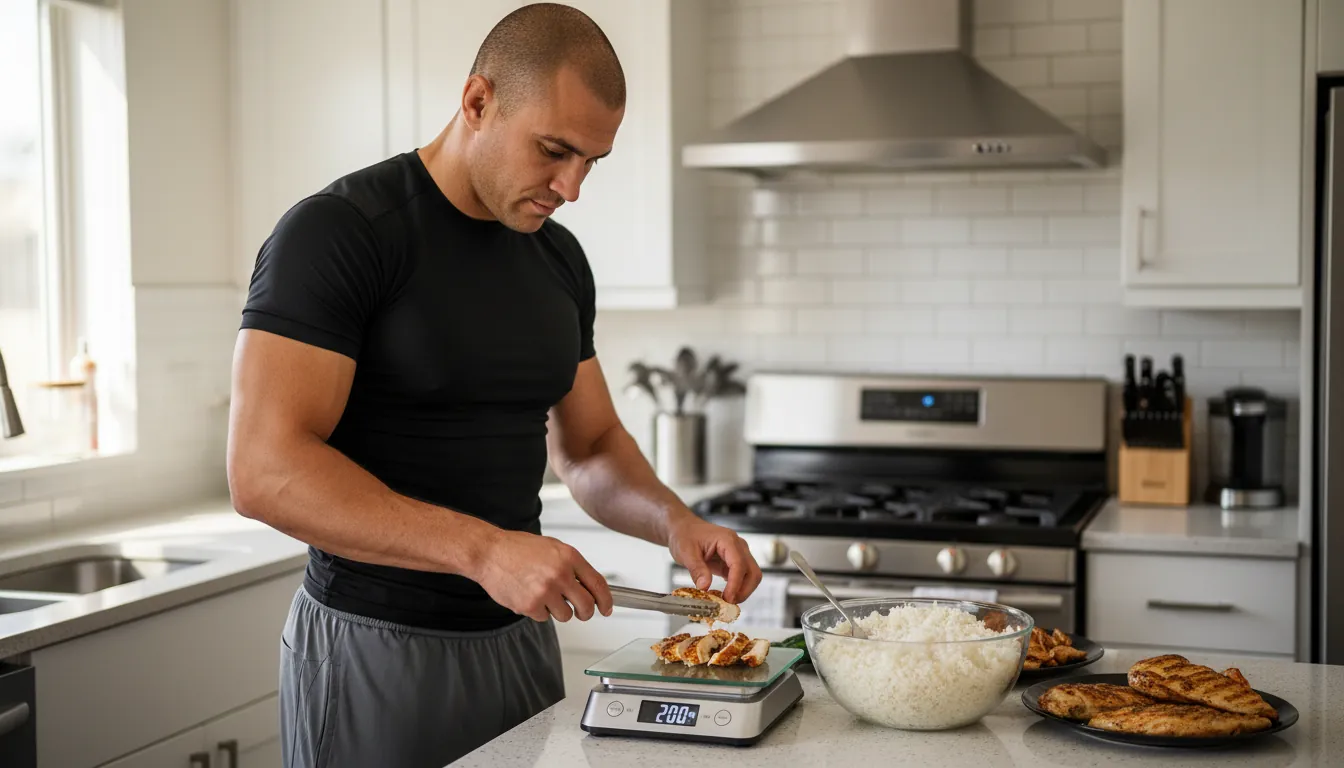
It can be, provided the order stays simple. A grilled chicken portion with a controlled serving of rice and a side of vegetables is a reasonable recovery meal. A double burger with chips, cheese and a sugary drink is not. The difference is not the brand name. It is the total load of carbohydrate, fat and salt arriving in one sitting. Fluid is just as important as food. Rehydration after rapid weight loss should be gradual rather than aggressive.
What the research says about weight regain
Rapid weight loss is common in weight-category combat sports, but the extent of post-weigh-in recovery varies widely. Pooled data from multiple studies shows that fighters regain a substantial amount of body mass after the weigh-in, though the exact amount varies. In some cases, athletes regain a large proportion of the amount they cut. That swing places real stress on the body and can increase injury risk if it is not managed carefully.
At the official weigh-in, urine specific gravity measurements often indicate significant dehydration. Urine specific gravity measurements at the official weigh-in often reflect a body that has been pushed hard to shed water. Fighters should avoid treating the post-weigh-in window as a licence to eat without limits. A structured refuelling plan keeps the body within a safer range and reduces the shock to the system. Gulping litres of water in one go can leave a fighter bloated and uncomfortable.
Small regular drinks over several hours work better. Urine colour is a rough guide, but a sports medicine professional can offer more precise advice for an individual fighter. No single rehydration strategy fits every athlete, and the evidence shows too much variation for one-size-fits-all rules. The sensible approach is to start early, go steady and pair fluids with food that contains electrolytes. This is especially important in the Gulf climate.
Rebuilding muscle and joints between camps
Recovery does not end on fight night. Intense training that includes eccentric loading can produce real muscle fibre damage. The main consequence is a temporary loss of skeletal muscle function and the soreness every fighter knows too well. Some nutrients and functional foods may help reduce that damage and speed up the return to full training. Protein is the foundation of that repair process.
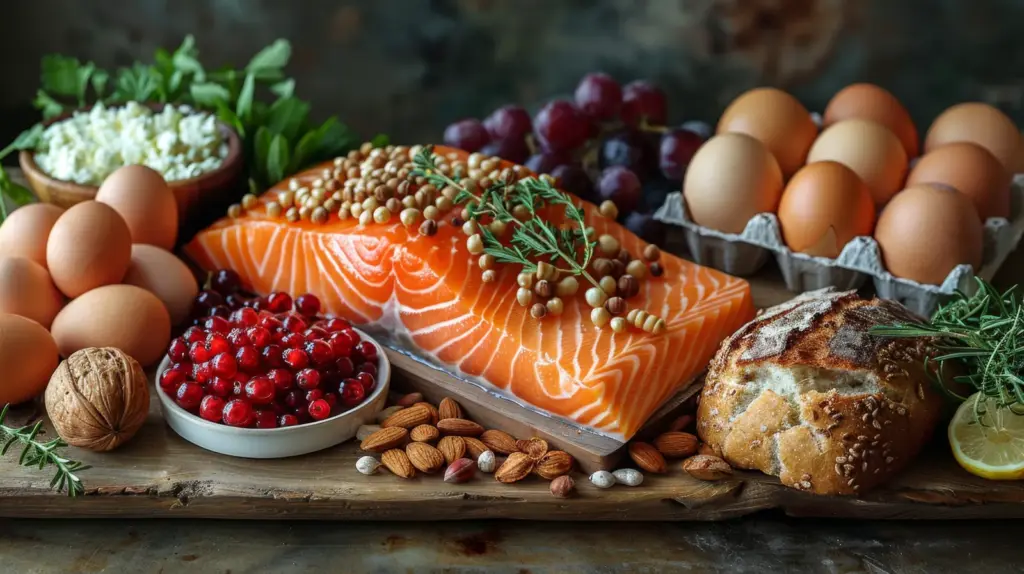
Dietary protein from food or supplementation regulates muscle protein turnover and supports adaptive remodelling after both resistance work and endurance sessions. Meat, poultry, eggs, fish, seafood, nuts, seeds, dairy, beans, lentils, chickpeas, split peas and tofu all count. The evidence around amino acid supplements is mixed, with some studies showing reduced markers of muscle damage and others showing no effect. Whole food protein remains the safe base. Omega-3 fatty acids found in oily fish like salmon, mackerel and tuna, and in nuts, have anti-inflammatory properties.
They are not a magic cure, but they can be a useful part of a recovery-focused diet. The same goes for polyphenols, the compounds found in tea, coffee, grapes, cocoa, tomatoes, blueberries, cherries and pomegranates. A diet rich in fruit and vegetables is one of the most practical recovery tools a fighter has. No single food will heal a torn ligament or a bruised rib. But the daily pattern of eating shapes how quickly the body can rebuild.
Everyday foods that support long-term repair
A fighter who eats a varied diet with enough protein, colourful fruit and vegetables, and regular servings of oily fish gives tissues the raw materials they need. A fighter who lives on fast food and energy drinks makes every injury harder to recover from. The following foods are useful building blocks for a recovery-focused kitchen. They are not exotic or expensive, and most are already common in Gulf households.
- Eggs and dairy provide complete protein and are easy to prepare in large batches.
- Oily fish such as salmon and mackerel supply omega-3 fatty acids that support a normal inflammatory response.
- Beans, lentils and chickpeas offer plant-based protein plus fibre for steady energy.
- Blueberries, cherries and pomegranates bring polyphenols with antioxidant and anti-inflammatory properties.
- Rice, potatoes and oats restore glycogen after hard sessions without much digestive stress.
- Nuts and seeds add energy, protein and healthy fats in a compact form.
- Tea and coffee contribute polyphenols and can fit into a normal daily routine.
Creatine is another supplement that receives attention in combat-sport research. It has a role in supporting muscle mass and power during rehabilitation. Fighters considering creatine or any other supplement should speak with a qualified sports nutrition professional rather than copying a teammate’s protocol. The supplement market is full of bold claims, and a professional can separate useful tools from expensive distractions.
Practical habits for fighters in the Gulf
Heat and humidity in Qatar and the wider Gulf make hydration a daily concern, not just a fight-week issue. Fighters training in air-conditioned gyms can still lose significant fluid through sweat. Replacing that fluid with plain water alone may not be enough after long sessions. A sports drink or a meal containing salt can help restore what sweat removes. Local food culture offers plenty of recovery-friendly options.

Grilled meats, rice, hummus, laban, dates and fresh fruit are all common and useful. The challenge is portion size and timing. A heavy mixed grill late at night before sleep is not the same as a measured post-training meal. Fighters who plan their meals around training sessions recover better than those who eat whenever hunger strikes. Between fights, the goal is consistency rather than perfection.
A fighter does not need a perfect diet every day, but the pattern across weeks and months matters more than any single meal. Keeping protein intake steady, eating fruit and vegetables daily, and drinking enough fluid are simple habits that pay off in the gym and on fight night. Sleep, stress and training load all interact with food. A perfect meal plan cannot fix a fighter who sleeps four hours a night or returns to full sparring too soon. Recovery is a system, not a single supplement, and the most effective approach combines steady nutrition, gradual rehydration, sensible training progression and honest communication with coaches and medical staff.