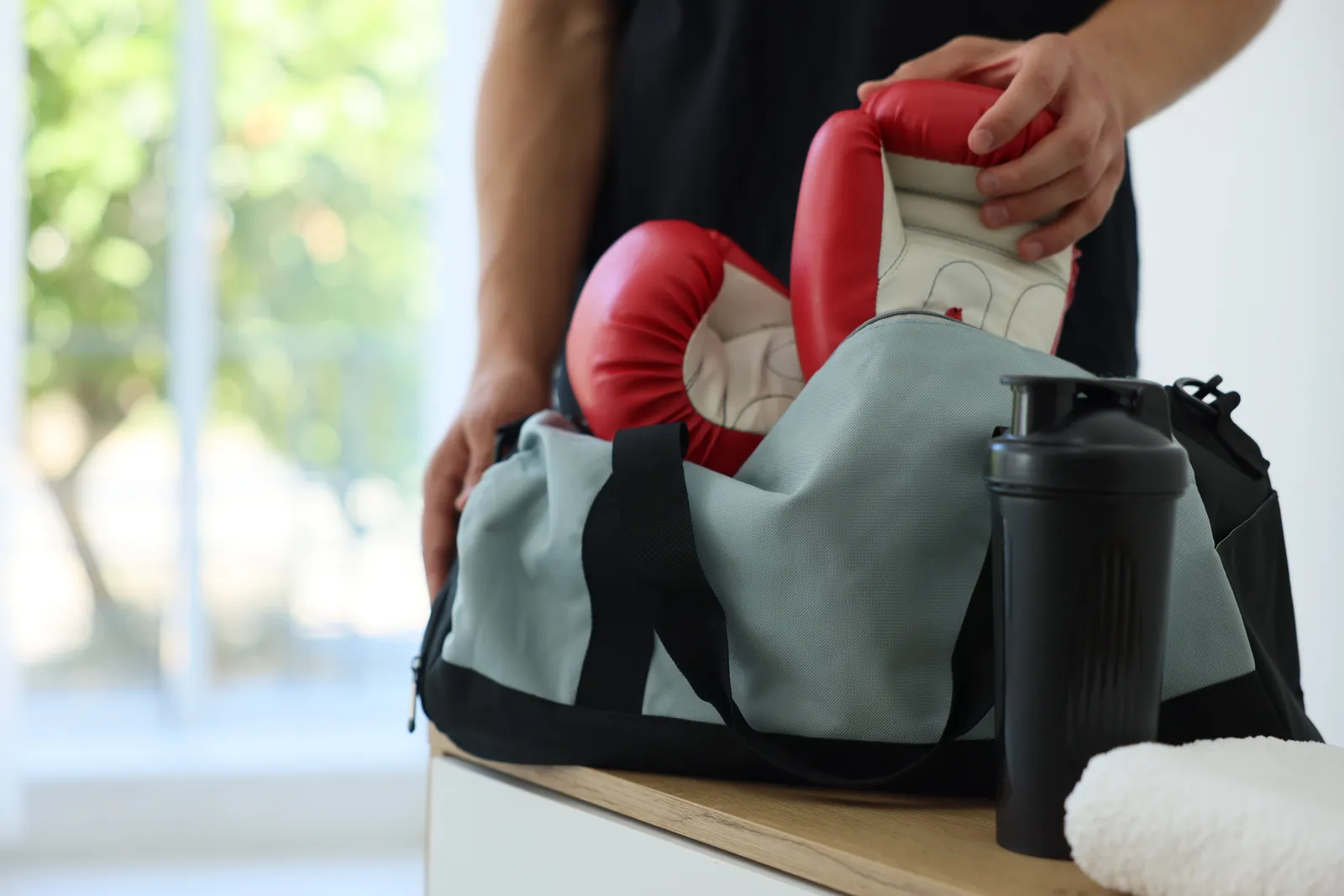
Many fighters in the region learn the hard way that a weekend at a fight camp is not a holiday with gloves. You are there to train twice a day, sweat through every piece of fabric you own, and recover fast enough to do it again the next morning. The kit bag you pack decides whether you feel sharp on the pads or spend the weekend hunting for a dry shirt. Packing well is a skill, and it starts with accepting that you will not need half the things your normal travel brain tells you to bring.
Fight camps in the region often run on a simple rhythm. Early sessions, long humid afternoons, then evening sparring or clinch work. Your bag needs to serve that rhythm without weighing you down at the airport or in the back of a shared car. The best approach is to build your kit around breathable fabrics, quick-drying layers and items that rotate easily. If a piece of gear cannot dry overnight in an air-conditioned room, it probably should not make the trip.
Training Gear That Earns Its Place
Your core training kit is the reason you are going, so this is where you spend your packing attention. Bring two pairs of lightweight Muay Thai shorts in satin or thin polyester. An elastic waistband gives you room to move in the clinch and stays comfortable when you are tired. Heavy cotton shorts are a mistake in humid conditions because they hold sweat and start to chafe after the first session.
Shirts should be the opposite of your everyday cotton tees. Pack three or four quick-dry tops, and expect to change mid-session when the gym gets hot. Many fighters train in a fresh shirt for the afternoon session and keep a spare in their bag for the drive back. For women, a high-support sports bra in moisture-wicking fabric is non-negotiable, especially if the weekend includes clinching or running.
Hand wraps need more attention than almost anything else. You will train daily, and wraps stay damp in humid air. Bring at least three pairs and rotate them after every session. Hang them over the back of a chair or on a balcony rail as soon as you finish. A damp wrap around your knuckles feels miserable and shortens the life of the fabric.
Protection and Sparring Essentials
If the camp includes sparring, pack a mouth guard and do not assume you can borrow one. A mouldable guard from any fight shop will do the job, but it needs to be shaped to your teeth before you arrive. Gloves are the next decision. For a short camp, bringing your own pair is the hygienic choice, and 14 to 16 ounce gloves cover most sparring rules.
Shin guards are worth the space if you plan to spar regularly over the weekend. A pair that fits well will save your shins and your training partners. Ankle supports are a small addition that can make a big difference when you are jumping rope or pivoting hard on mats. A skipping rope is optional, but it lets you warm up on your own before the coach starts the session.
Footwear is simpler than people think. One pair of flip-flops or slides will be on your feet for most of the day. They are essential for moving between the gym, the shower and wherever you eat. Pack one pair of running shoes only if the camp schedule includes road work, and keep them light. Everything else is extra weight.
Clothing for the Hours Between Sessions
Between training blocks you will be resting, eating and waiting for your gear to dry. Loose cotton shorts and a clean t-shirt are fine for this, but do not overpack them. Two casual outfits will cover a weekend because you will spend most of your time in training clothes or a towel. A light hoodie is useful for air-conditioned rooms that feel cold after you have been sweating.
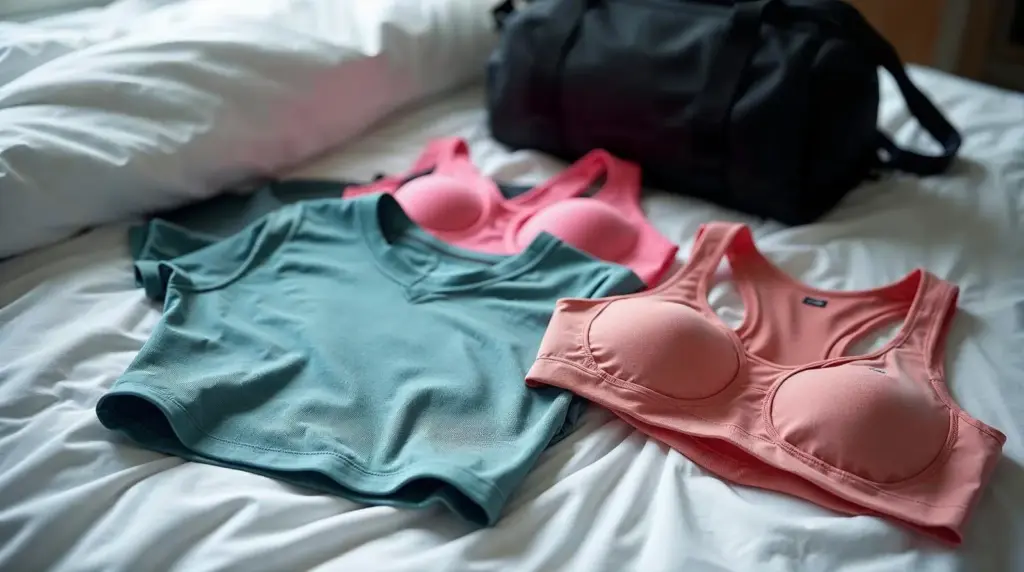
Sleep is part of the training plan, so pack something comfortable to sleep in that is not the same shirt you trained in. A simple pair of shorts and a soft top take almost no space. If you are sharing a room, a spare set of earplugs can be the difference between a good sleep and a grumpy morning session. These small items cost nothing and weigh less than a phone charger.
Toiletries and Recovery Basics
Your recovery starts in the shower, so bring the basics you actually use. Soap, shampoo and a strong deodorant are obvious, but a small tube of anti-chafing cream is worth its weight in a humid camp. Talcum powder or a similar drying product helps keep your feet and groin area comfortable between sessions. Do not rely on the camp shop to stock your preferred brand.
A basic first-aid kit belongs in every fight bag. Plasters, blister pads, antiseptic wipes and a roll of athletic tape will cover most small cuts and scrapes. If you take any regular medication, pack enough for the whole weekend plus one extra day. Keep it in your hand luggage so a delayed bag does not disrupt your routine.
For muscle soreness, a small massage ball or a foam roller is useful if you have space. Many fighters also pack a tube of cooling gel or a simple liniment. These are not medical treatments, just ways to make the next session feel less stiff. If you have a real injury, speak to a coach or a medical professional rather than pushing through it.
Documents, Money and the Small Details
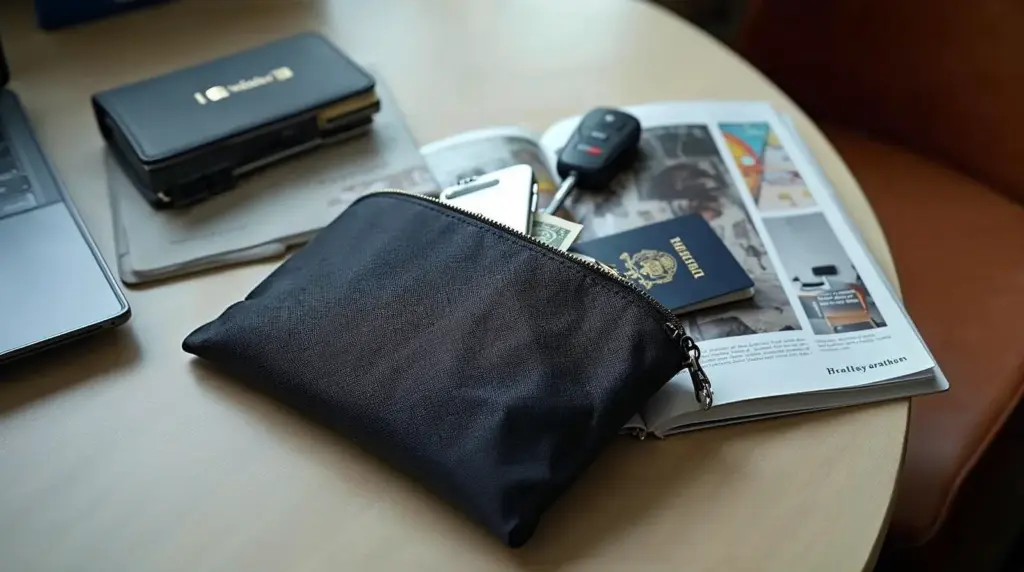
Weekend camps in the region often involve crossing a border, so keep your documents simple and accessible. Your passport or national ID, your driving licence if you are sharing the car, and a printed copy of the camp booking are enough. A small zip pouch keeps them together and stops you digging through a wet kit bag at a checkpoint. Cash is still useful for small shops and food stalls near gyms.
Your phone will be your map, your alarm and your camera, so pack a charger and a power bank. A long charging cable is helpful in rooms where the socket is far from the bed. If you train with a smartwatch or heart-rate monitor, bring its charger too. These devices die quickly when you use them for two sessions a day.
Here is a simple checklist that covers the core of a weekend camp bag without overpacking. Your strategy should revolve around breathable, moisture-wicking, and quick-drying fabrics to handle the intense heat and humidity. Pack at least two pairs of lightweight Muay Thai shorts, ideally in satin or polyester with an elastic waistband for full mobility. Bring several training shirts and tanks made from airy materials instead of heavy cotton, as you will likely change tops during a single session.
After the list, the rule is simple. If you are unsure about an item, leave it out. You can buy almost anything you need near a fight camp, usually for less than you would pay at home. A lighter bag means less stress at the airport, more space in the car and a faster exit when the weekend ends.
What to Leave at Home
Heavy jeans and formal shoes have no place in a fight camp bag. They take up space and you will never wear them. The same goes for bulky towels unless the camp specifically tells you to bring one. Most gyms and shared houses have towels available, and a thin travel towel dries faster than a thick bathroom one anyway.
Expensive jewellery and watches are better left at home. You will take them off for training, and a shared room is not the place to worry about them. A cheap digital watch is fine if you need to time rounds. Books and laptops can stay behind too. A weekend camp is short enough that your phone will cover any reading, messaging or entertainment you actually need.
Food, Water and the Local Reality
You do not need to pack a full kitchen. A refillable water bottle is the one essential because training in intense heat drains you fast. Many camps have water dispensers, but having your own bottle means you can fill up anywhere. A few energy bars or a small bag of nuts are useful for the gap between sessions when food is not ready yet.
Eating well at a camp is usually a matter of finding the local places the fighters use. Follow the coaches and the regulars rather than ordering from a delivery app every time. Your body will tell you what it needs, and that is usually simple food, plenty of water and some salt. Do not overthink supplements for a two-day camp. Sleep and food will do more for you than any powder.
The final hour of packing is the moment to be honest with yourself. If the bag feels heavy before you leave the house, it will feel twice as heavy when you are tired on Sunday afternoon. Pack the gear that keeps you training, add the small things that keep you comfortable, and leave the rest behind. A good weekend camp is remembered for the rounds you put in, not the suitcase you dragged along.