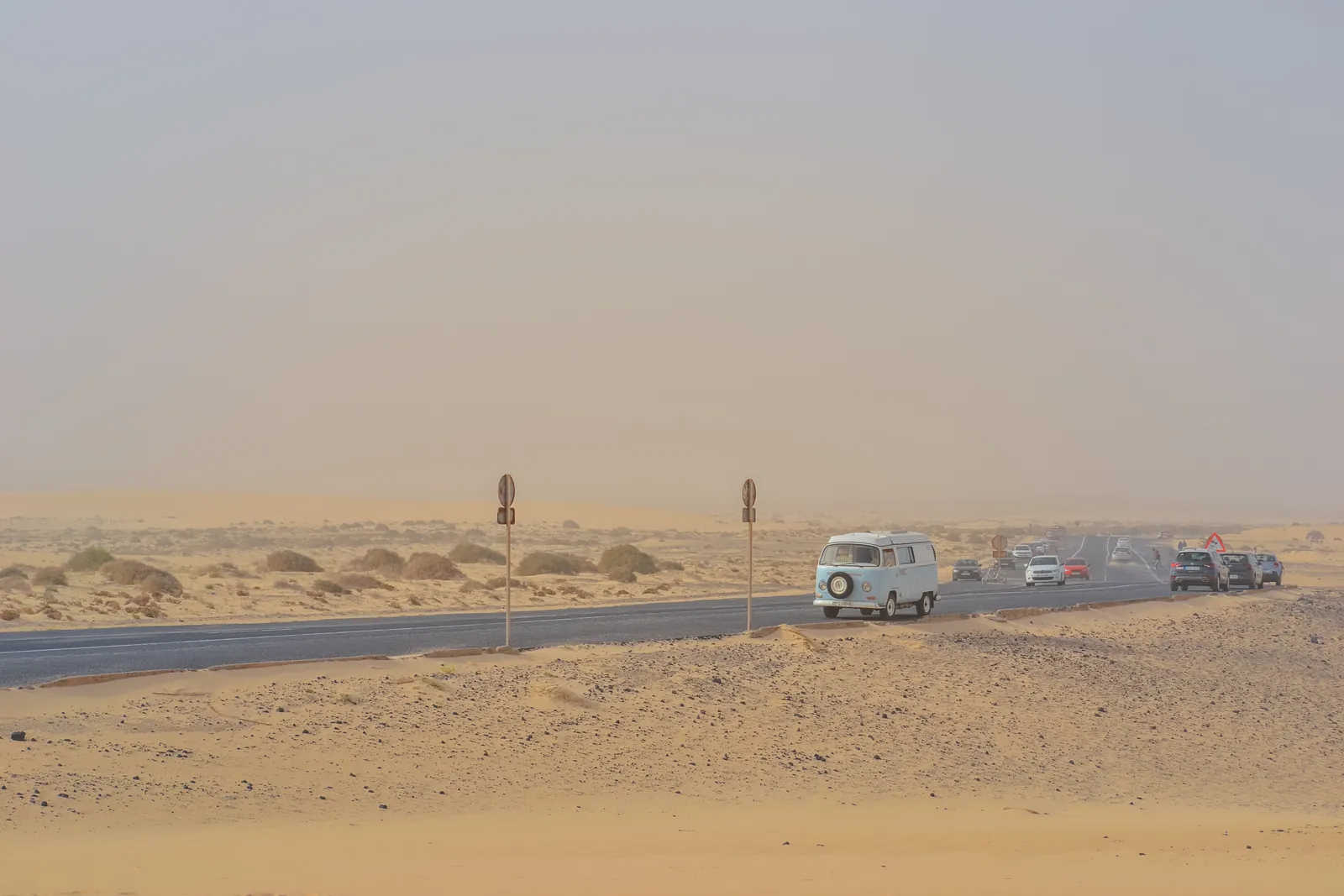
Fight week in the Gulf rarely begins at the arena door. It starts with a decision made over coffee in Doha, a quick look at the calendar and a bag packed for the road. Abu Dhabi is a stop on the regional combat calendar, and for many fans in Qatar the question is how to get there without losing a full day to airport queues. The drive is real, the route is well travelled and the payoff is a fight night you can plan around your own schedule.
The flight option looks simple on paper. A non-stop from Doha to Abu Dhabi can take as little as one hour and ten minutes, with roughly 126 flights a week shared by Qatar Airways, Etihad Airways and Philippine Airlines. Ticket prices swing widely, from around AED 505 to far higher last-minute fares. But air travel means fixed timings, baggage rules and the slow crawl through two airport terminals. For a fight fan who wants to move on their own clock, the road offers something different.
Mapping the Doha to Abu Dhabi Drive
The drive from Doha to Abu Dhabi runs through Saudi Arabia and covers around 592 kilometres. Depending on your pace, border wait times and rest stops, expect five to seven hours behind the wheel. Some drivers report closer to five hours and fifteen minutes of pure driving time. Others, especially those crossing at busier periods, should plan for seven to eight hours total. The route is straightforward but it rewards preparation more than speed.
You will cross from Qatar into Saudi Arabia at the Abu Samra border, then continue toward the UAE side. The key checkpoints are well signed, but paperwork is the main variable. Carry your passport, valid visa arrangements for Saudi Arabia and the UAE, vehicle registration and any required driving permits. Border processing can stretch during weekends, public holidays and major fight weeks. Arrive at the crossing with a full tank and a clear head.
Night driving on this route deserves respect. The desert roads can be pitch dark, with long stretches between fuel stations and little visual reference beyond your headlights. If you are not familiar with driving in total darkness, start early in the morning and aim to reach Abu Dhabi before sunset. The heat, the monotony and the glare all hit harder after dark. A daylight crossing is the safer call for most fans.
Timing Your Departure Around Fight Week
Fight nights in Abu Dhabi may start late, but that does not mean you should leave Doha late. The smart move is to drive the day before the event. This gives you a full night of sleep, time to collect tickets or accreditation and a relaxed morning before the arena opens. Arriving on fight day itself is possible but leaves no buffer for border delays or traffic near the venue.
If you are driving back to Doha after the event, do not plan a post-fight sprint. The adrenaline of a main event fades quickly once you hit the highway. Book a hotel or stay with friends in Abu Dhabi and return the next morning. The drive home will feel longer than the drive out, especially after a late night. Treat the return as a separate travel day rather than an extension of fight night.
Fuel, Food and Border Stops
Fuel stops are spread along the Saudi stretch but not as frequently as you might expect on a Gulf highway. Fill the tank before leaving Doha and again whenever you see a station at half full. Carry water, dates or light snacks and a phone charger that works from the car. The route is not remote in the way of a desert rally stage, but it is quiet enough that small problems can become long waits.

Border facilities have basic services, yet queues can mean standing in the sun or sitting in a running car for an hour or more. Keep your documents in one folder, wear comfortable clothes and keep your phone charged for any digital permits. Some travellers cross quickly. Others lose hours. The difference often comes down to the time of day and the number of vehicles ahead.
Once you are inside the UAE, the road improves and signs become more frequent. Abu Dhabi is well connected to the Saudi border, and the final approach into the city is smooth. Watch your speed, as cameras are common. The last hour of the drive is not the place to test your reaction time after a long stint behind the wheel.
Comparing the Flight Alternative
For comparison, the flight from Doha to Abu Dhabi is the quickest way to cover the distance. The first departure is Qatar Airways 1052 at 12:30 AM, and the last is Philippine Airlines 657 at 10:05 AM. The shortest non-stop time is around one hour and ten minutes, with a typical duration of one hour and fifteen minutes. That speed comes with airport time on both ends, which can add three or four hours to the journey.
Flight prices are not fixed. A cheap fare may appear at AED 505, while the same route can climb far higher when demand spikes around a major event. Booking early helps, but the road offers a different kind of certainty. You know your departure time, your vehicle and your route. There is no gate to close and no baggage carousel to wait at. For fans travelling in a group, the shared cost of fuel and border fees can also be easier to manage than multiple airfares.
| Option | Typical Duration | Key Consideration |
|---|---|---|
| Drive via Saudi Arabia | 5 to 8 hours | Border wait times vary |
| Non-stop flight | 1h 10m to 1h 15m | Airport time adds 3 to 4 hours |
| Drive with overnight stop | 2 travel days | Best for fight week comfort |
| Group car trip | 5 to 8 hours | Shared fuel and fees |
The table above shows the basic trade-off. A flight wins on raw air time. The drive wins on control and flexibility. Neither is wrong, but your choice should match your fight week plans. If you are travelling solo for a one-night card, flying may make sense. If you are carrying gear, travelling with friends or staying for a few days, the car gives you room to move.
Packing for a Fight-Night Road Trip
A road trip to a fight event is not the same as a holiday drive. You need your event ticket or confirmation, a valid ID and any specific venue entry requirements. Keep these in a separate pouch from your passport and border documents. Losing one set should not mean losing everything. A printed copy of your hotel booking and a written list of emergency contacts is also useful when phone signal drops.
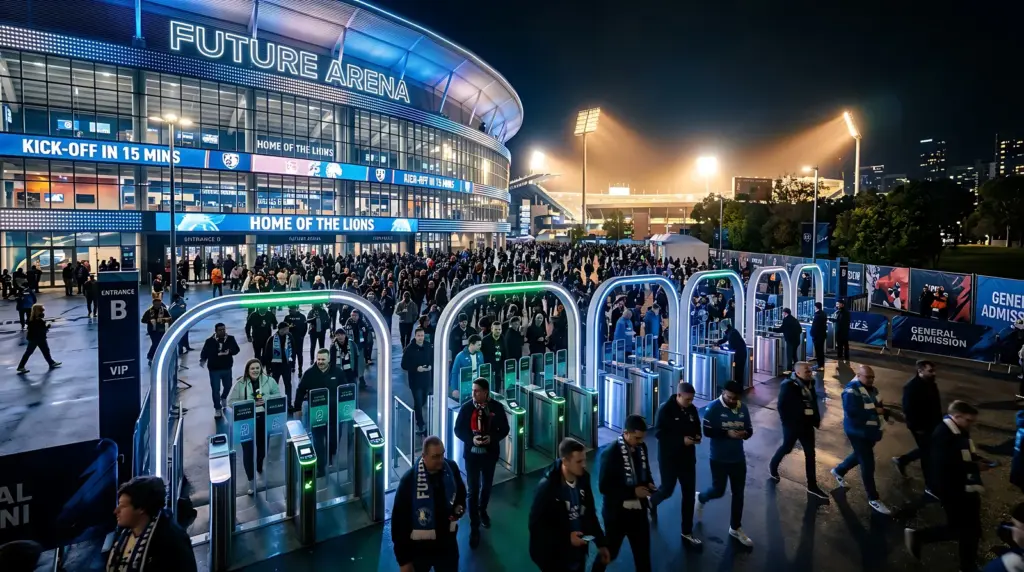
Pack light but pack smart. The car will be hot, so avoid leaving electronics or food in direct sunlight. Bring a small bag for the arena with only what security will allow. Check the venue rules before you leave, as some events restrict bags, cameras and outside food. A power bank, a reusable water bottle and a light jacket for air-conditioned arenas are all worth the space.
If you are driving a car registered outside the UAE, confirm the current entry rules before departure. Requirements can change, and a quick check with official sources is better than a surprise at the border. The same applies to Saudi transit rules. Do not rely on memory from a previous trip. Regulations shift, and what worked last year may not work this season.
Arriving in Abu Dhabi Without the Stress
Abu Dhabi is a straightforward city to enter by car, but the final kilometres can be the slowest. Fight-night traffic near the arena builds early, and parking can be limited. Leave your hotel with more time than you think you need. If the event is at a major venue, follow the signs for public parking and expect a walk to the entrance. Comfortable shoes matter more than you might expect.
Once you are inside, the road trip fades into the background. The crowd, the lights and the first bell take over. That is the point of the drive. You did not just arrive for a fight. You arrived on your own terms, with your own gear and your own schedule. The road from Doha to Abu Dhabi is not a shortcut around air travel. It is a different way to be a fight fan.
Plan the route, respect the border and give yourself time. The drive works best when it is treated as part of the trip rather than an obstacle before it. For fans in Qatar who follow the GCC fight scene, that six-hour stretch of desert highway is one of the most useful roads in the region. Learn it well and it will carry you to many more fight nights.