The Gulf’s fight calendar never really stops. Between regional events in the Gulf and larger production shows in major cities, the demand for structured training blocks has quietly reshaped how camps operate across the GCC. Teams are no longer content grinding inside their home gyms for weeks on end. They are packing bags, crossing borders and booking dedicated camp windows that offer altitude, specialist coaching or simply a change of scenery sharp enough to break bad habits before they calcify.
This shift creates a practical question I hear constantly from coaches and independent fighters alike. Where exactly do you go, and once you pick a destination, how do you land there without the logistics eating half your training budget. I have spent recent seasons tracking these movements, sleeping in fighter houses and sitting in on sessions across the region. A good camp is not about finding a famous name on a poster. It is about matching the facility, the altitude and the travel burden to the specific phase of your fight prep.
The Desert Altitude Hack That Fighters Overlook
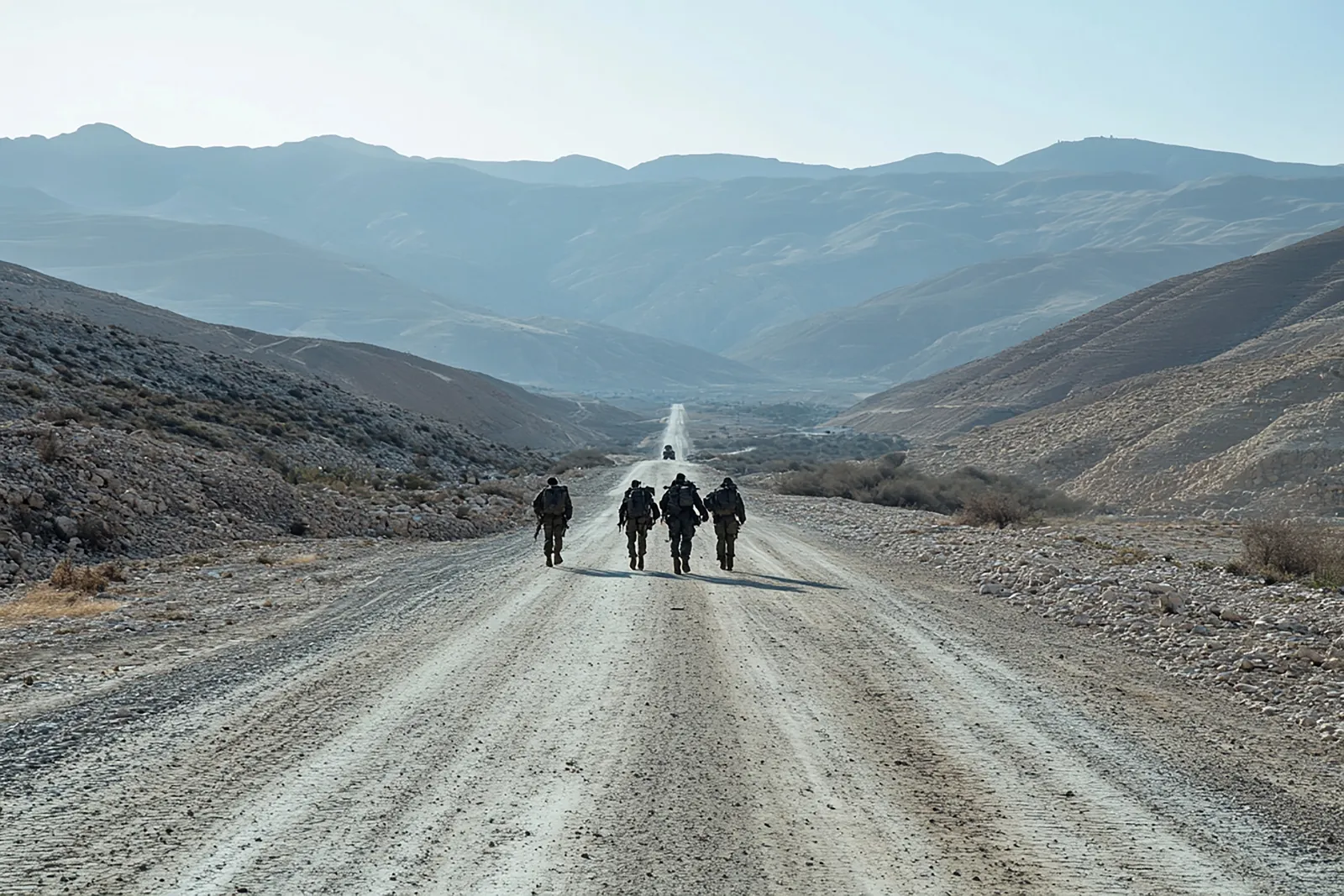
The practical advantage here is not just the thin air. It is the ability to combine altitude with a fully serviced camp structure. Squads typically book villas or apartment blocks in the lower foothills, then drive up for morning runs and afternoon pad sessions on the viewing platforms. The temperature drop alone, often noticeably cooler than coastal Dubai, allows for longer training windows during summer months when gym sessions back home would be dangerously hot. I have watched Muay Thai camps and MMA squads from across the Gulf rotate through these mountain roads for multi-week blocks, and the cardiovascular carryover shows clearly in their later-round output.
Logistics here are simpler than most coaches assume. You fly into Dubai International, pick up a pre-booked van and drive east into the mountains. The road is well maintained and the accommodation options range from basic three-star hotels to private rentals that sleep a full fight team. Grocery stores in Ras Al Khaimah city are well stocked with the kind of lean proteins and complex carbohydrates a camp kitchen demands. The isolation works in your favour too, because there are few nearby distractions.
What surprises many first-time visitors is how effectively the terrain mimics the sustained climbs found on approaches to high-altitude trekking routes. Living in the GCC, it is easy to feel like the odds are stacked against you when you are staring at a flat horizon, but the wadi trails and graded mountain roads provide genuine vertical gain that builds the exact muscular endurance a fighter needs for championship rounds. The pre-camp assessment of the squad and the performance objective should factor in these specific route profiles, matching the gradient and distance to the conditioning demands of the upcoming bout. Programme design across training, recovery and team activities then flows naturally from that initial evaluation, ensuring every session on the mountain serves a clear purpose.
UAE Multi-Sport Facilities Built for Combat Camps
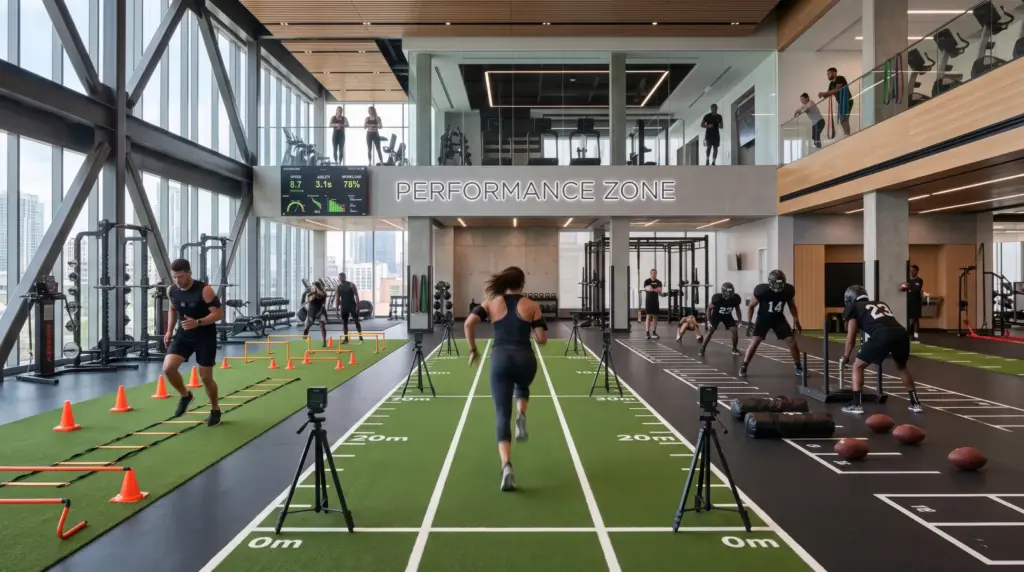
Beyond the mountain roads, the UAE has quietly built a network of multi-sport training venues that adapt surprisingly well to combat sports. These facilities were originally designed for swimming squads, triathlon groups and cycling teams, but the infrastructure overlaps almost perfectly with what a fight camp requires. Pools for recovery sessions, altitude chambers for hypoxic conditioning, cryotherapy units and full physio suites are all available under one booking. The coaching support on the ground can be calibrated to your squad’s exact phase, whether you are in a heavy conditioning block or tapering into fight week.
What a Full-Service Camp Actually Delivers
Camp support is grouped into three clear categories. The first covers coaching, schedules, testing and competition preparation. The second handles venues, facilities, accommodation and transport coordination. The third manages recovery, nutrition-support coordination, team activities and destination experiences. Final scope is always confirmed in a written proposal before any deposit changes hands. This level of structure matters because it prevents the common problem of a camp turning into an unstructured holiday where fighters train twice a day and spend the rest of the time horizontal in a hotel room.
Breaking In Your Gear Before the Camp Begins
You should be doing your roadwork in the exact boots you plan to wear on mountain trails. You should be hitting pads in the same gloves you will pack for camp. I have seen fighters lose multiple training days to blisters and skin tears simply because they treated new equipment as something to preserve rather than something to condition. The rule is straightforward. Nothing goes into your kit bag for a training camp that has not already absorbed plenty of your own sweat. This applies doubly to groin guards, mouthpieces and any compression gear you plan to sleep in between sessions.
Crossing Borders with a Full Fight Squad
Medical preparation is the other piece that gets neglected until it is too late. A camp in a remote mountain town can put you a long way from a hospital with trauma capabilities. Every squad travelling for a training block should carry a basic medical kit that goes well beyond tape and Vaseline. Basic wound-care supplies, sterile saline, antihistamines and any prescribed medications need to be packed. One infected cut can end a camp on day three. I also recommend identifying the nearest clinic before you travel and saving their emergency number in two phones, so the coach and the most senior fighter both have it.
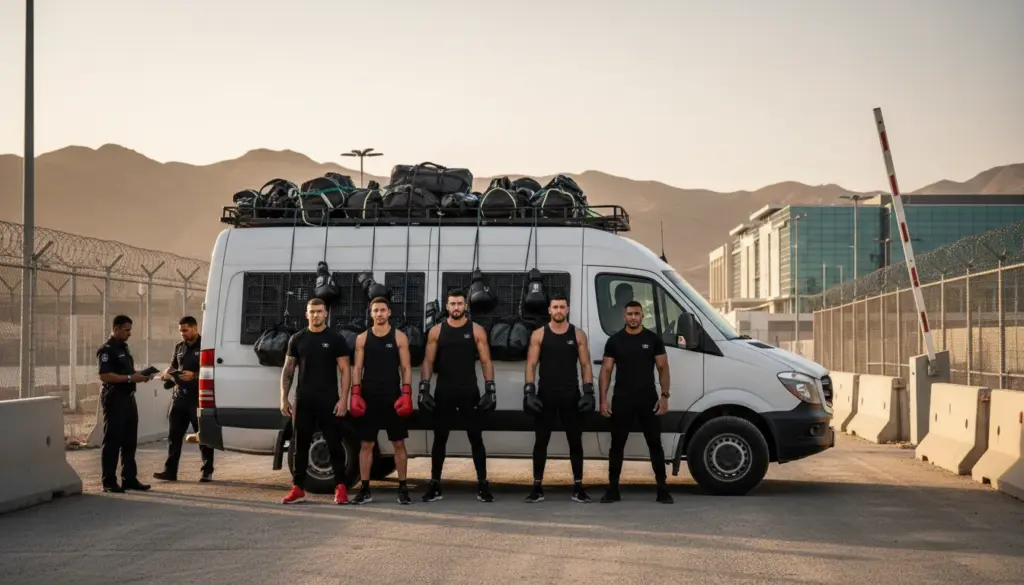
Facility, accommodation and logistics coordination should be locked down before anyone steps onto a plane, because last-minute scrambling at the destination eats directly into recovery time. Venues, facilities, accommodation and transport coordination form the backbone of a smooth camp, and the post-camp review and recommendations for the next phase are far more useful when the original logistics ran cleanly enough to produce reliable training data. Recovery and athlete-support coordination through the camp also depend on this groundwork, since a tired fighter stuck dealing with a broken air conditioner or a missing meal is not recovering properly between sessions. The most successful squads I have observed treat the logistical advance work as seriously as the training programme itself.
Choosing the Right Camp Window for Your Fight Phase
The list below covers the non-negotiable items I see experienced teams check before confirming any camp booking. Missing even one of these has scuttled more training blocks than injury or poor conditioning ever have. These checks help ensure that the venue, schedule, and support services align with the squad’s performance goals. Run through it with your head coach and your logistics person well before your intended travel date, so you can correct any gaps before they become costly problems.
- Confirm visa requirements for every passport in the squad and apply for any that need pre-approval well before travel.
- Book accommodation that provides a dedicated meal preparation area, because relying on restaurant food for two weeks will compromise weight management.
- Verify the training venue’s opening hours and pad-work policies, as some multi-sport facilities restrict combat-specific training during peak swimming or cycling blocks.
- Pack a full medical kit including wound-care supplies, sterile saline, antihistamines and any prescribed medications, and identify the nearest emergency clinic before departure.
- Ensure every piece of fighting equipment has plenty of personal use before it enters the camp kit bag.
- Schedule altitude exposure for the middle block of a training camp, never the final fortnight, to allow adaptation and a proper taper at sea level.
- Designate one person, ideally not the head coach, to handle all logistics, transport and meal coordination so training sessions run without interruption.
The Local Camp Option That Builds Consistency
This model works particularly well for fighters who compete frequently on regional cards and cannot afford the downtime that travel imposes. A short local camp structured around three daily sessions, cold-water immersion and a strict lights-out policy can deliver much of the benefit of a mountain camp at a fraction of the cost. The discipline required is actually higher because the temptations of home life sit just outside the door. Squads that can lock in locally without breaking protocol are the ones that build the consistency needed for a long fight career.