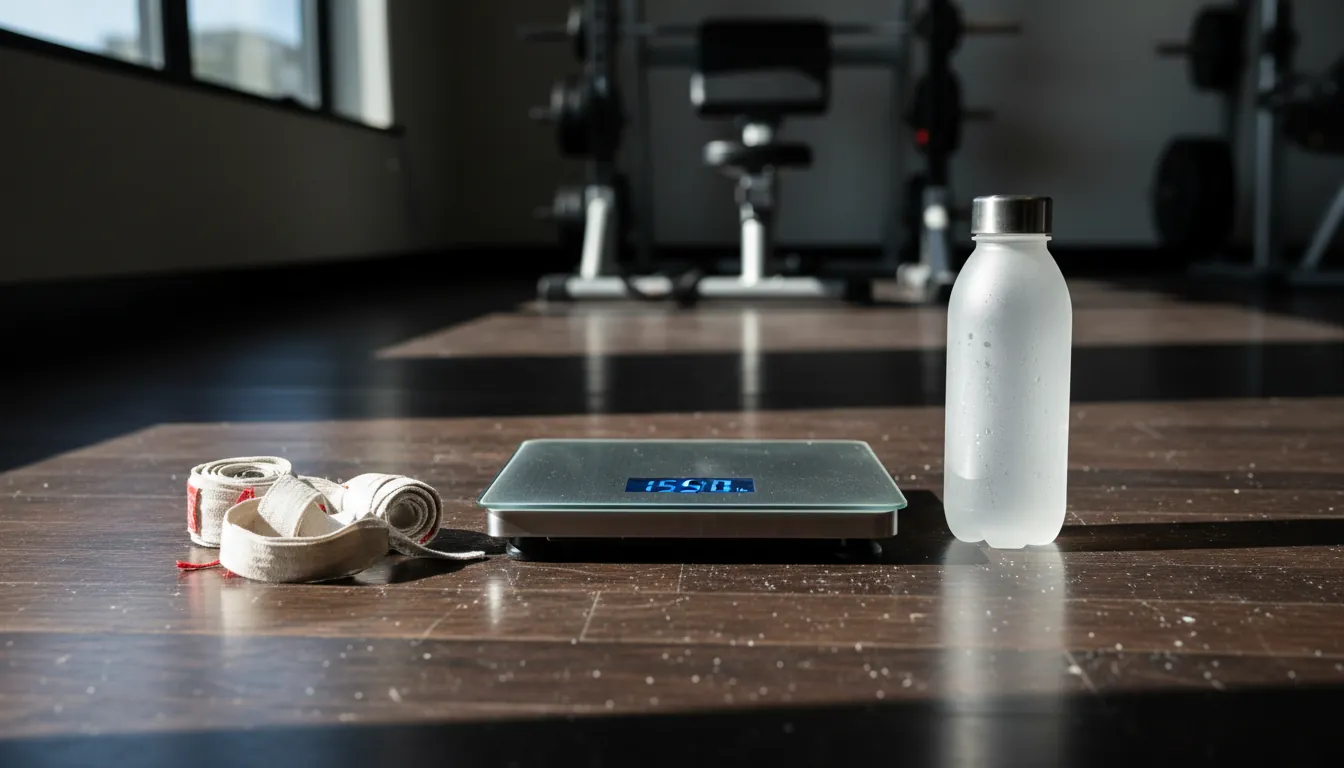
Walk into any gym in Doha or Dubai on a Friday open-mat and you will hear the same question whispered between rounds. What weight do you walk around at. It is the currency of trust in this sport, a number that shapes careers, camps and the final terrifying hour before the scale. For anyone stepping from the training floor into competition, or even just trying to follow a local card without confusion, the system of divisions and limits is the first real map you need. It is simpler than it first looks, but the details matter deeply for your safety and your performance.
Most of what we see on broadcasts follows the Unified Rules of Mixed Martial Arts, a framework adopted by athletic commissions around the world. The UFC is the loudest voice in the room, so their version dominates the conversation, but the actual rulebook defines fourteen divisions from Strawweight all the way up to Super Heavyweight. Promotions pick and choose which ones they activate. In this region, where the amateur and professional scenes are growing fast, knowing the landscape helps you pick a division for your own journey or understand why a fighter looks twice their size on fight night.
The Divisions That Shape the Sport
The scale starts at Strawweight, a 115-pound limit used exclusively for women in major promotions. From there the ladder climbs through Flyweight at 125, Bantamweight at 135 and Featherweight at 145 pounds. Each step up brings a visible shift in frame, speed and the kind of power a fighter can carry into the third round. For men, the deepest talent pools in this region tend to sit between Bantamweight and Lightweight, mirroring the average build of athletes coming through wrestling and jiu-jitsu academies from Abu Dhabi to Manama. The jump from Featherweight to Lightweight, a full ten pounds to 155, is one of the most significant transitions in the sport.
Above Lightweight the gaps widen again. Welterweight sits at 170 pounds, Middleweight follows at 185, then Light Heavyweight at 205, a class where one-punch finishing power becomes a constant threat. Heavyweight caps the active UFC divisions at 265 pounds, a range so broad that a 240-pound athlete can face someone cutting down from over 300. Beyond that, the Unified Rules define a Super Heavyweight division for anyone over 265, though you will rarely see it on a televised card. The table below lays out the core divisions you will encounter most often on fight cards in this region and beyond.
| Division | Limit (lb) | Limit (kg) | Active in UFC |
|---|---|---|---|
| Strawweight | 115 | 52.2 | Women only |
| Flyweight | 125 | 56.7 | Men and women |
| Bantamweight | 135 | 61.2 | Men and women |
| Featherweight | 145 | 65.8 | Men only |
| Lightweight | 155 | 70.3 | Men only |
| Welterweight | 170 | 77.1 | Men only |
What Happens When the Scale Opens
When a fighter misses weight, the consequences are immediate and financial. The standard penalty in the UFC is a forfeiture of twenty percent of the purse, paid directly to the opponent, and the bout proceeds at a catchweight. A catchweight is simply an agreed limit above the division maximum, negotiated after the miss. In a championship contest the stakes are even higher. A fighter who comes in heavy cannot win the belt, even if they win the fight. The most infamous recent example came in 2020 when Deiveson Figueiredo weighed in at 127.5 pounds for a Flyweight title fight, won the bout, but left the championship vacant because only his opponent Joseph Benavidez was eligible to claim it.

Why Fighters Cut So Much Weight
The man or woman you see on the scale at 155 pounds on Friday morning will often step into the cage on Saturday night weighing 170 or more. This is the brutal arithmetic of weight cutting, a practice rooted in the belief that being the bigger, stronger athlete in the cage provides a decisive edge. The process is concentrated in the final week before the weigh-in, when a fighter manipulates water intake, sodium, carbohydrates and finally sits in a hot bath or sauna to shed the last few pounds through dehydration. The body is pushed to its temporary limit, then given roughly thirty-six hours to rehydrate and refuel before competition.
Choosing a Division Without Losing Your Health
For a fighter in Qatar or the wider Gulf taking their first amateur bout, the question of which division to enter should start with an honest look at your walking weight over several weeks, not a single morning. Step on the scale every day for a month, note the average and then look at the division roughly five to ten pounds below that number. That gap is a manageable cut for a beginner with good guidance. Chasing a lower division because it seems less intimidating is a mistake that leads to miserable weight cuts and flat performances. The goal is to arrive at fight week already lean, so the final water cut is minimal.
Local promotions in the region often run fewer divisions than the full Unified Rules list, so check what is actually available before committing to a weight class six months out. If you walk at 175 pounds and the card only offers Welterweight at 170 or Middleweight at 185, take the higher class for your debut. Learn to compete at a weight where you are fully hydrated and clear-headed. The skill gap at amateur level is wide enough that a slight size disadvantage matters far less than having your timing and chin intact. You can always reassess for the next camp once you have real data on how your body responds to the process.
Training Smarter for the Scale and the Cage
Strength and conditioning work should continue through camp but shift in focus as the fight approaches. Heavy lifting gives way to maintenance loads, and conditioning sessions should mimic the work-to-rest ratios of an actual bout. After you step off the scale, the rehydration window is critical. Small, frequent sips of an electrolyte solution, combined with easily digestible carbohydrates, will restore function far better than guzzling water and eating a heavy meal immediately. A methodical refeed puts you in the cage as the athlete you trained to be, not a depleted version of yourself.
Reading a Fight Card With New Eyes
Once you understand the weight-class structure, watching a local or international card becomes a richer experience. You notice when a fighter from a lower division moves up and carries speed that troubles a slower, heavier opponent. You understand why the Bantamweight champion walking into the cage looks nothing like the man who stood on the scale twenty-four hours earlier. The numbers next to each name on the broadcast are not just administrative details. They are the result of a calculated, often gruelling process that shapes the violence about to unfold. That context makes the sport more compelling, not less.

For fans in this region, where the combat sports calendar now includes everything from grassroots jiu-jitsu tournaments to professional MMA cards in Riyadh and Abu Dhabi, knowing the divisions helps you follow storylines across promotions. A Flyweight prospect in a local Dubai promotion might one day appear on a global stage at the same limit. The weight classes are the common language of the sport, spoken in every gym, at every weigh-in and in every cage interview. Learn them, and you stop watching fights as isolated events and start seeing the architecture that holds the whole brutal, beautiful thing together.